

Top Selling Phones in Kenya in 2025 – Market Trends Revealed.
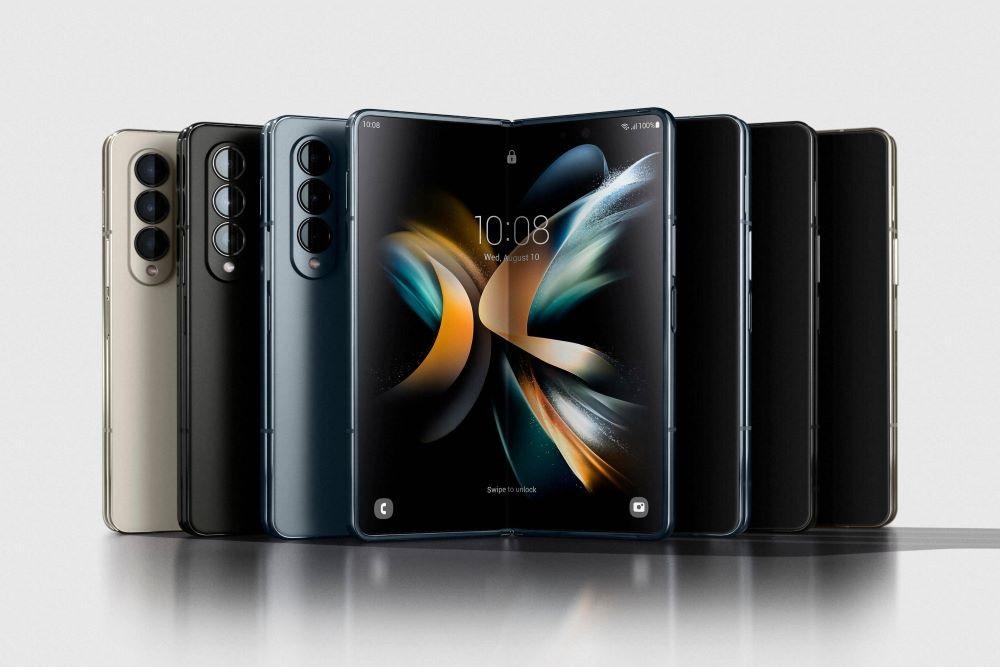
Kenya’s smartphone market in 2025 is experiencing dynamic growth, driven by technological advancements, innovative financing models, and evolving consumer preferences. With over 72 million mobile devices connected to networks and a smartphone penetration rate of approximately 72.6%, the demand for mobile technology is at an all-time high.
Leading Smartphone Brands in Kenya
The Kenyan smartphone market is dominated by a mix of global giants and regional players. As of early 2025, the market share distribution is as follows:
- Samsung: Leading with a 27.66% market share, Samsung’s success is attributed to its diverse range of devices, from budget-friendly models to premium flagships like the Galaxy S-series.
- Tecno: Holding 16.14% of the market, Tecno remains a favorite among Kenyan consumers, especially for its affordable and feature-rich smartphones.
- Infinix: With an 8.75% share, Infinix continues to appeal to the youth segment with its stylish designs and competitive pricing.
- OPPO: Capturing 8.39% of the market, OPPO’s focus on camera technology and sleek designs resonates with photography enthusiasts.
- HMD Global (Nokia): Holding a 7.74% share, Nokia’s reputation for durability and reliability keeps it relevant in the Kenyan market.
Other notable brands include Xiaomi (5.23%), Apple (4.43%), Itel (3.41%), and Huawei (2.48%). Tuko.co.ke – Kenya news.
Emerging Trends in the Kenyan Smartphone Market
- Affordable Smartphones Drive Growth: The proliferation of budget-friendly smartphones has significantly contributed to the increased smartphone adoption in Kenya. Brands like Tecno, Infinix, and Itel offer devices that cater to the needs of cost-conscious consumers without compromising on essential features.
- Rise of E-Commerce: Online platforms such as Jumia and Kilimall have revolutionized smartphone retail in Kenya, providing consumers with a convenient and diverse shopping experience. The e-commerce market for smartphones is projected to reach $52.6 million by 2025.
- Mobile Money Integration: The integration of mobile money services into smartphones has enhanced financial inclusion, allowing users to perform transactions seamlessly. This feature is particularly appealing in regions where traditional banking services are limited.
- Local Assembly and Financing Models: Companies like M-Kopa, in partnership with HMD Global, have established local smartphone assembly plants, producing over 1 million phones and creating employment opportunities. Additionally, M-Kopa’s pay-as-you-go model enables consumers to own smartphones through affordable daily payments.
Consumer Preferences and Buying Behavior
Kenyan consumers prioritize the following features when selecting smartphones:
- Battery Life: Long-lasting batteries are essential, especially in areas with inconsistent power supply.
- Camera Quality: High-resolution cameras are in demand for capturing quality photos and videos.
- Storage Capacity: Adequate internal storage is crucial for apps, media, and documents.
- Durability: Robust build quality ensures longevity, particularly in rugged environments.
- Affordability: Competitive pricing remains a significant factor influencing purchasing decisions.
A survey by Jumia indicated that 72% of respondents consider memory capacity a top priority, followed by battery life at 59% and camera quality at 56%. Jumia Kenya
Challenges and Opportunities
While the Kenyan smartphone market shows robust growth, it faces challenges such as:
- Economic Constraints: Rising living costs and potential tariff hikes may affect consumer spending power.
- Market Saturation: With a high penetration rate, manufacturers must innovate to maintain growth and attract new customers.
However, opportunities abound in areas like:
- 5G Technology: The introduction of 5G networks presents new possibilities for faster connectivity and advanced applications.
- Smartphone Financing: Flexible payment plans can make smartphones more accessible to a broader demographic.
- Localized Content and Services: Developing apps and services tailored to Kenyan users can enhance user engagement and satisfaction.
Conclusion
The Kenyan smartphone market in 2025 is characterized by rapid growth, driven by affordable devices, technological advancements, and increased digital service adoption. Brands that understand and cater to the unique needs of Kenyan consumers are poised to thrive in this dynamic environment. As the market continues to evolve, staying informed about trends and consumer preferences will be key for stakeholders aiming to capitalize on the opportunities within Kenya’s vibrant mobile landscape.