
Samsung vs. Infinix: Which Brand Offers Better Value in Kenya?
If you’re shopping for a new smartphone in Kenya in 2025, chances are you’ve come across Samsung and Infinix as two of the most popular and widely available brands. While Samsung has a long-standing reputation as a global leader in mobile technology, Infinix has been winning over the Kenyan market with its aggressive pricing, stylish phones, and impressive specifications.
So the big question is: Which brand offers better value for money in Kenya – Samsung or Infinix?
In this in-depth comparison, we’ll explore each brand’s strengths, weaknesses, and what they bring to the table across different price segments. Whether you’re a student, a business professional, or a first-time smartphone buyer, this guide will help you make the right decision for your needs and budget.
Brand Overview
Samsung: The Global Tech Giant
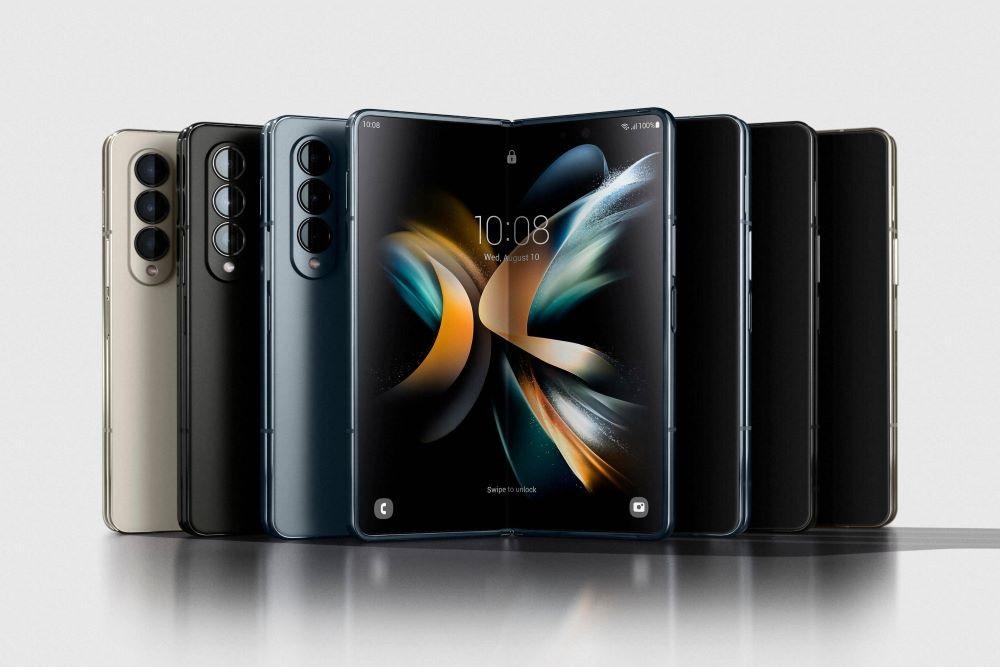
Samsung is a South Korean tech company that has dominated the global smartphone market for over a decade. In Kenya, Samsung is often seen as a premium brand known for its high-quality displays, flagship innovation, and long-lasting devices. While Samsung’s top-end phones like the Galaxy S and Z series are beyond most people’s budget, its Galaxy A series has become increasingly popular in Kenya due to affordability and performance.
Samsung phones are widely available in physical stores and online platforms such as Jumia, Kilimall, and Safaricom shops, with official warranty and after-sales support. Users also trust Samsung’s long-term software updates, something many budget brands often skip.
Infinix: Affordable Innovation for Africa
Infinix, on the other hand, is a Chinese smartphone brand under the Transsion Holdings group, which also owns Tecno and itel. Designed with African markets in mind, Infinix phones are known for offering high specs at budget-friendly prices. Over the past few years, Infinix has captured a massive share of Kenya’s smartphone market, especially among young users, students, and low-to-mid income earners.
With series like Hot, Note, and Zero, Infinix provides a wide variety of models that look premium but cost significantly less than Samsung counterparts. They’re also famous for large batteries, powerful cameras, and generous RAM and storage — all under KSh 30,000.
Price vs. Performance
Entry-Level Phones (Below KSh 15,000)
In this price segment, Infinix is the clear winner. Samsung’s presence here is minimal, with only a few models like the Galaxy A03 Core or older A-series phones, which offer limited features and basic performance.
Meanwhile, Infinix offers several capable models like the Infinix Smart 8, Hot 30i, or Smart 7 Plus, all offering 3GB–4GB RAM, 64GB storage, large HD+ displays, and 5000mAh batteries. These phones are perfect for users who want WhatsApp, social media, YouTube, and occasional gaming — all without straining the budget.
Verdict: Infinix wins with better hardware and design for less.
Mid-Range Phones (KSh 15,000 – KSh 25,000)
This is the sweet spot for most Kenyan smartphone buyers. Both brands offer solid choices here.
Samsung’s Galaxy A05 and A14 are good examples. They come with decent processors (like Helio G85 or Exynos chips), 4GB–6GB RAM, Samsung’s One UI, and reliable cameras. Their software is clean, and updates are regular — a big advantage in terms of security and user experience.
On the other hand, Infinix models like the Hot 40i, Note 30, or Zero 5G often outmatch Samsung in raw specifications. You’ll find higher megapixel cameras (like 50MP or even 108MP), bigger batteries with fast charging, and more internal storage for the same or lower price.
Verdict:
- If you prioritize brand reliability, resale value, and long-term software support — Samsung is better.
- If you want maximum performance for your shilling, Infinix wins.
Premium Midrange and Flagship (Above KSh 30,000)
Here, Samsung pulls far ahead. Infinix’s reach typically caps at around KSh 35,000 with their high-end Zero series, while Samsung offers a range of powerful midrange phones like the Galaxy A54, A73, and even flagship models like the Galaxy S22 FE or Z Flip series.
These Samsung models come with AMOLED displays, IP ratings, wireless charging, powerful Snapdragon processors, and longer Android update lifespans. Infinix may match in battery size or megapixel count, but Samsung’s overall quality and performance ecosystem is superior.
Verdict: Samsung is better for users looking for premium quality and advanced features.
Camera Comparison
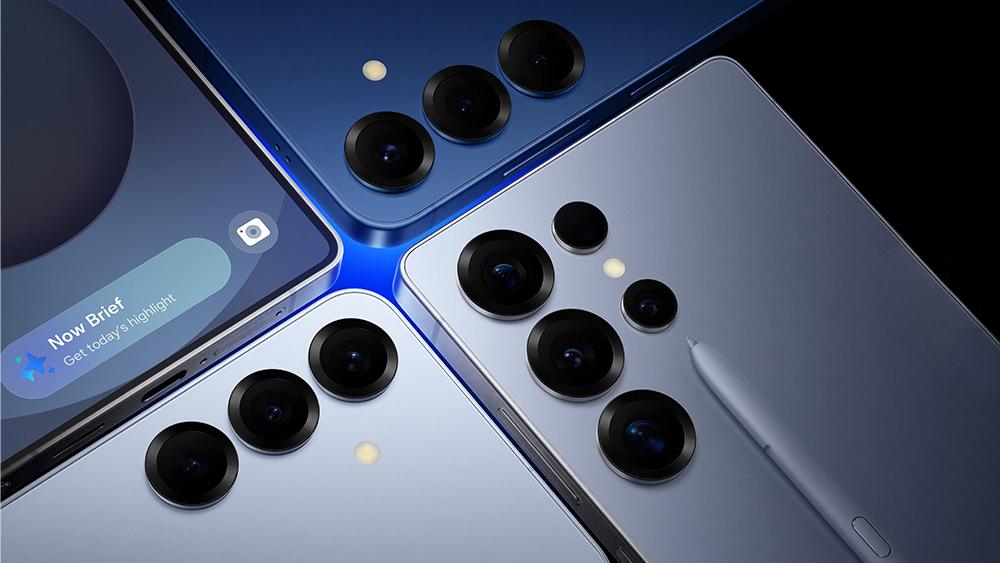
In terms of megapixels and camera count, Infinix often looks better on paper. Some models boast 50MP, 64MP, and even 108MP sensors at under KSh 20,000. But don’t let numbers fool you.
Samsung cameras often produce more natural colors, better dynamic range, and perform well in low light. This is due to superior image processing, sensor quality, and software optimization.
Infinix, while decent, tends to oversaturate photos and struggles with image consistency in varying light conditions. However, for casual users who post on social media, Infinix cameras are more than satisfactory.
Verdict:
- For casual social media use: Infinix is enough.
- For photography enthusiasts: Samsung takes the crown.
Battery Life and Charging
Both brands offer 5000mAh batteries across most models, which easily last a full day of use. However, Infinix leads in charging speed. Phones like the Note 30 series support 33W or even 45W fast charging, while Samsung still uses slower 15W to 25W charging on budget models.
This difference becomes noticeable if you’re always on the move and need a quick top-up.
Verdict: Infinix wins for faster charging and battery convenience.
Design and Build Quality
Samsung phones are sleeker, lighter, and often use better materials — even at lower prices. Their minimalist design, matte finishes, and durable builds make them feel more premium.
Infinix, on the other hand, excels in aesthetics, with vibrant colors, glossy finishes, and bold camera designs. However, the materials used often feel more plasticky and less durable than Samsung’s.
Verdict: Samsung leads in build quality. Infinix leads in style.
Software and Updates
This is one of the most important yet underrated areas. Samsung provides at least 2 major Android updates and 4 years of security patches even for its budget A-series phones. Its One UI software is polished, fast, and has minimal bloatware.
Infinix uses XOS, which is colorful and feature-rich, but includes ads and inconsistent updates. Many Infinix phones may never receive a major Android upgrade, and users must rely on sporadic security patches.
Verdict: Samsung is the clear winner for software reliability and longevity.
After-Sales Service and Warranty
Samsung has an edge here with more authorized service centers in Kenya, especially in urban areas like Nairobi, Mombasa, Kisumu, and Eldoret. Warranties are easier to claim, and genuine spare parts are more readily available.
Infinix also has service centers (especially through Carlcare), but wait times and availability of parts can be unpredictable depending on your location.
Verdict: Samsung has stronger after-sales support.
Final Verdict: Which Offers Better Value in Kenya?
The answer depends on your priorities as a user.
Choose Infinix if you want:
- The best possible specs for the lowest price
- Fast charging, big batteries, and high megapixel cameras
- A stylish phone for under KSh 20,000
- Great value for students or first-time users
Choose Samsung if you want:
- Reliable software, consistent updates, and long-term performance
- Better build quality and camera processing
- Trust in after-sales support and easier resale value
- A device that stays usable for 3–4 years without slowing down
In short, Infinix is ideal for short-term power and style, while Samsung is better for long-term reliability and peace of mind.
Ready to Choose?
Visit our Smartphone Store to explore the latest models from both Infinix and Samsung. We stock genuine phones with warranty, offer same-day delivery in Nairobi, and provide expert advice to help you choose wisely.
- Shop Infinix Phones in Kenya
- Browse Samsung Phones & Offers
- Contact Us for Personalized Recommendations
Want More Buying Guides?
Join our email list or follow us on Instagram, TikTok, and YouTube for more in-depth reviews, price updates, and tech tips made for Kenyan shoppers like you.