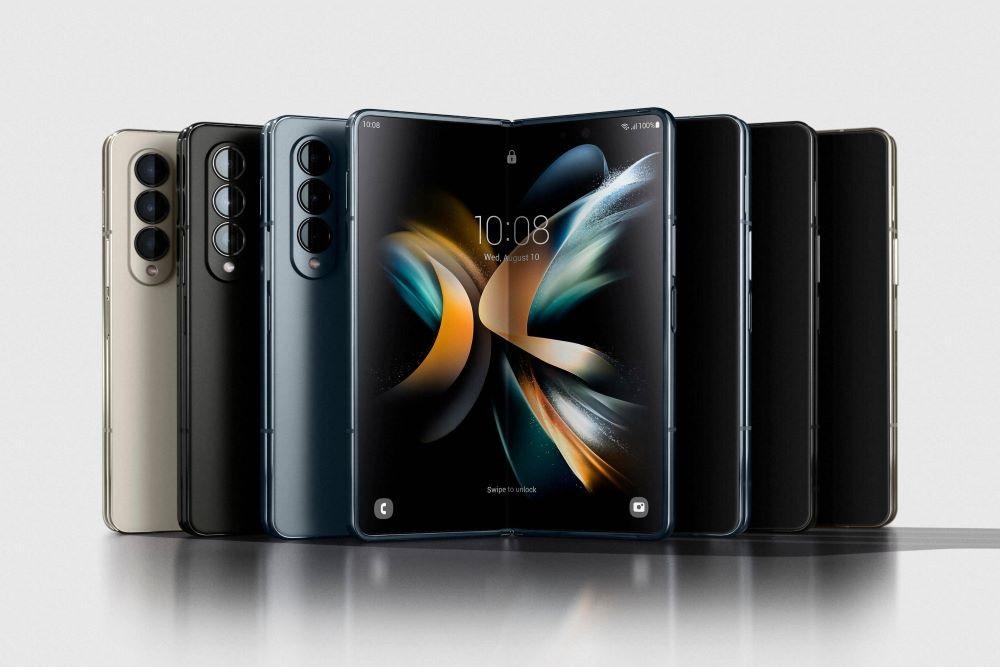

How to Spot Fake Mobile Phones in Kenya – A Buyer’s Warning Guide.
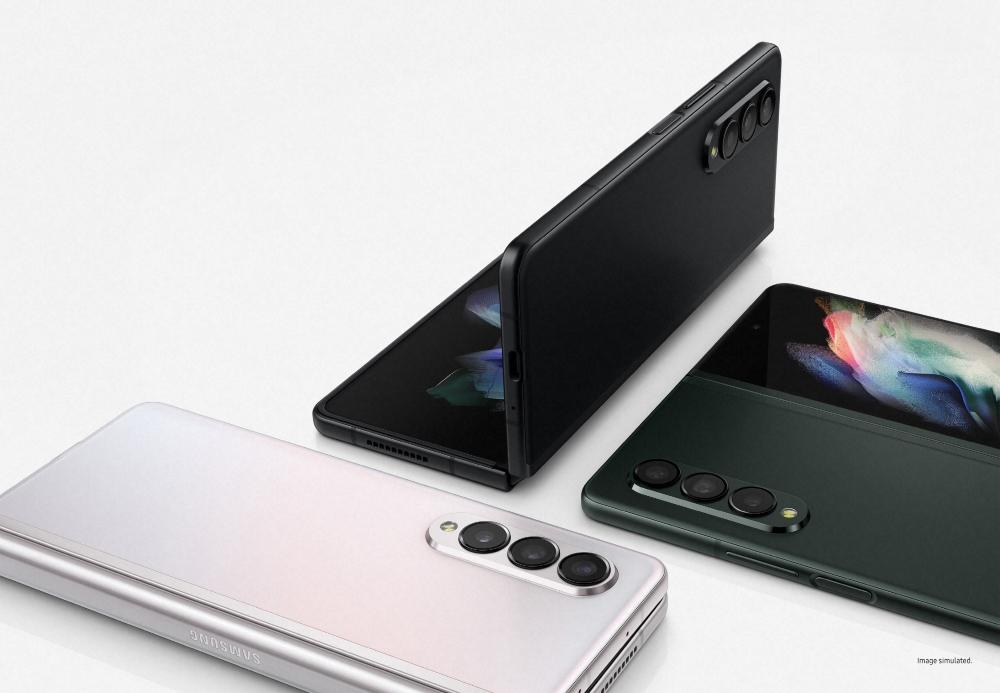
In Kenya today, mobile phones are more than just communication tools—they’re lifelines to business, social connection, education, entertainment, and financial services. From Gikomba to Garden City, from Maseno to Mombasa, nearly everyone owns or aspires to own a smartphone. But behind the glowing screens and shiny glass lies a booming underground trade that has silently infiltrated the market—fake mobile phones.
If you’ve ever bought a phone that suddenly stopped working, overheated for no reason, lagged horribly despite being “brand new,” or couldn’t access important updates, you may have unknowingly purchased a counterfeit. This guide will help you avoid that mistake, by unpacking how to spot fake mobile phones in Kenya in 2025 and beyond.
Why Are Fake Phones So Common in Kenya?
The simple answer is demand. Kenya has a huge appetite for affordable smartphones. This makes the market vulnerable to unscrupulous traders importing cheap imitations—mainly from Asia—designed to look like big brands such as Samsung, iPhone, Infinix, Oppo, and Xiaomi.
These knock-offs are often sold in small electronics shops, open-air markets, or online stores with vague warranties and too-good-to-be-true prices. Some even find their way into otherwise legitimate shops. As mobile phone penetration increases, the counterfeit industry adapts and thrives in the shadows.
But the consequences are real. Fake phones not only waste your money, but often come with poor battery life, unreliable apps, overheating issues, data vulnerabilities, and zero after-sales support. They may even be linked to illegal surveillance or smuggled shipments.
What Makes a Phone Fake?
Fake smartphones are devices that imitate the appearance of popular brands but lack the original manufacturer’s software, hardware quality, and support infrastructure. They often:
- Look identical to real models but are made with low-cost materials
- Run unofficial or outdated Android versions
- Carry incorrect IMEI numbers or cloned software
- Have inflated specifications (e.g., a sticker says 6GB RAM, but the phone has only 2GB)
Some are so convincing that even experienced buyers can be fooled without close inspection.
How to Tell if a Phone Is Fake in Kenya
Spotting a fake phone doesn’t require a tech degree. What you need is awareness and attention to detail. Here’s how to spot the difference.
1. Check the IMEI Number
The most reliable method is checking the IMEI (International Mobile Equipment Identity) number—a unique identifier for every phone.
To do this, simply dial *#06# on the phone. If the IMEI doesn’t show, or if it shows a blank or zero-filled number, walk away.
If an IMEI appears, confirm that it matches the one printed on the box, the phone’s back or SIM tray, and under Settings > About Phone. You can then verify it online at imei.info or through the upcoming IMEI verification system being developed by the Communications Authority of Kenya (CAK).
2. Inspect the Build Quality
A fake phone often reveals itself under scrutiny. Real smartphones have a solid finish, precise port placements, and smooth button response. Fake ones tend to feel light, plasticky, or “off” in some way. Look out for crooked logos, glue stains, misaligned ports, or poor screen resolution.
In some models, even the branding is suspicious—“Samsang” instead of “Samsung,” or “iPone” instead of “iPhone.” While this may seem obvious, fakes are getting bolder and more refined, often mimicking every detail.
3. Test the Performance
Fake phones struggle with basic tasks. When powered on, you may notice lagging, apps that crash frequently, or a sluggish user interface. Google Play Store might not function correctly—or may be missing entirely. Many clones run stripped-down Android versions with no future updates, posing a serious security risk.
Try launching the camera, opening the browser, and playing a video. If anything feels broken, fake, or frustratingly slow, you’re likely not holding the real deal.
4. Compare Specifications
One of the most dangerous traps is trusting the specs printed on the box. A fake phone might claim to have 128GB of storage or 6GB RAM, only for you to discover—too late—it has a tenth of that.
To avoid this, install a hardware-check app like CPU-Z, AIDA64, or Device Info HW (if the Play Store works). These apps will reveal the actual specs, not the advertised ones. Any major mismatch is a red flag.
5. Examine the Software and User Interface
Original brands like Samsung or Xiaomi have their own signature UIs—Samsung uses One UI, Xiaomi uses MIUI. A fake might run a stock-looking skin with missing features, no backup options, broken system apps, and generic icons. In some cases, tapping “Software Update” leads nowhere or crashes the phone.
Also, look for bloatware or ads that appear immediately after setup. While some budget phones come with pre-installed apps, legitimate brands don’t flood your home screen with shady app shortcuts or popup ads.
6. Check the Charger and Accessories
Counterfeit accessories are another giveaway. Original phones come with well-built chargers, USB cables, and earphones that feel sturdy. Fake ones might fit poorly, overheat, or stop working within weeks.
Also, original accessories usually include safety and regulatory markings like CE or the manufacturer’s logo. If the charger feels flimsy or doesn’t carry branding, it’s probably fake.
Where Fake Phones Are Commonly Sold
While not every small shop sells fake phones, most counterfeit devices are found in grey-market outlets, unregistered online stores, or backdoor market stalls. Online, they may be listed on platforms like Facebook Marketplace, WhatsApp groups, or unverified websites, often without full product descriptions or warranty policies.
Physical places such as Luthuli Avenue in Nairobi, parts of Mombasa’s electronics market, or open-air vendors may also sell cloned models—especially when offering “brand new phones” for significantly less than retail price.
How to Safely Buy a Phone in Kenya (2025)
If you’re in the market for a new smartphone and want to be 100% sure you’re getting a genuine device, here’s what you should do:
- Buy from authorized dealers. Look for official brand stores (e.g., Samsung Experience Store, Xiaomi Kenya, or Safaricom shops) or trusted retailers with a good track record.
- Ask for the warranty card. A genuine phone comes with at least 12 months of warranty and return policy.
- Request to open and inspect the phone yourself, in-store, before parting with your money.
- Confirm return policy in case issues arise within a few days of purchase.
- Use M-Pesa Paybill or online checkout for traceability, not cash deals from individuals.
Kenyan Government’s Fight Against Counterfeit Phones
The Communications Authority of Kenya (CAK) has stepped in to tackle the growing counterfeit phone problem. In 2025, it announced the upcoming rollout of an IMEI verification system—a tool that will let buyers verify phone authenticity in real-time using their phones or online.
Once launched, this service is expected to help buyers, sellers, and importers distinguish between genuine and fake phones before devices even reach the market. Combined with customs inspections and public education, the hope is to clean up Kenya’s mobile ecosystem and protect consumers from fraud.
Why It Matters
Buying a fake phone isn’t just a loss of money—it can mean exposure to poor performance, data theft, unsafe batteries, and even losing your digital identity. For students, it may disrupt e-learning. For business people, it could compromise sensitive data. And for everyday Kenyans, it’s a frustrating experience that doesn’t deliver the value they deserve.
As Kenya continues to grow into a digital-first society, empowering consumers with knowledge is the first line of defense.
In Summary
You don’t need to be a tech guru to avoid fake phones in Kenya—you just need to stay sharp, verify everything, and trust your instincts. If something feels off, too cheap, or rushed, pause. A phone is a personal investment. Make sure it’s genuine.
And remember: when in doubt, check the IMEI, inspect the build, verify the software, and buy only from trusted sellers.
Need Help Buying a Genuine Phone?
Our online store [YourStoreName] only stocks authentic smartphones from top brands like Samsung, Infinix, Tecno, Xiaomi, and more—with official warranty and after-sales support. We offer nationwide delivery and expert advice to help you choose wisely.
Want More Smart Buyer Tips?
Join our newsletter or follow us on Facebook, YouTube, or Instagram for more buyer guides, product reviews, and tech alerts crafted just for Kenyan consumers.
Stay safe. Stay smart. Buy real.